

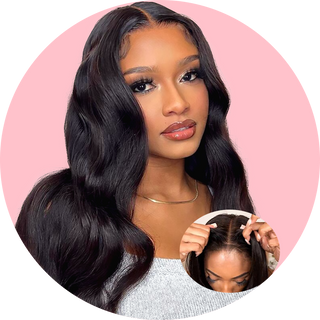


When you invest in raw human hair, especially for wigs, bundles, and extensions, the biggest question is always:
“Is this really human hair?”
After more than ten years working in the human hair industry, I have seen thousands of hair samples from different sources. I have tested premium raw hair, chemically processed hair, mixed hair, and synthetic fibers. Many customers are surprised when they learn that not every product labeled “100% human hair” is truly natural.
Real raw human hair has unique characteristics. It behaves differently, feels more natural, and responds better to chemical treatments. As a factory professional, I do not judge hair only by appearance. Beautiful shine can be created. Smoothness can be added. Even texture can be processed.
But the internal quality of hair cannot easily hide.
In this guide, I will share the same testing methods we use in professional hair factories to identify:
· Genuine raw human hair
· Acid-washed or chemically stripped hair
· Synthetic fiber blends
· Lower-quality processed human hair
Whether you are a wig wearer, salon owner, hair distributor, or someone purchasing your first premium human hair product, these tests will help you make a smarter decision.

If you are exploring different hair options, check our:
What Makes Raw Human Hair Different?
Before learning how to test raw human hair, you need to understand what makes it special.
Raw human hair means the hair has been collected directly from a donor and has not gone through harsh chemical processing. The cuticles remain intact and aligned in the same direction.
The cuticle is the outer protective layer that shields each hair strand from damage. Think of it like tiny overlapping scales covering the hair. When the cuticles are healthy and aligned:
· Hair feels soft naturally
· Hair reflects light evenly
· Hair tangles less
· Hair lasts longer
· Hair can handle coloring and styling better
At CLJhair, we pay close attention to these details during sourcing and production because the internal structure of hair determines the final wearing experience.
Many people only check if hair looks shiny when they receive it. However, excessive shine can sometimes come from silicone coatings or chemical treatments. Real quality comes from the hair’s structure, not temporary appearance.
Factory Test 1: The Burn Test — The Fastest Way to Identify Synthetic Hair
One of the oldest professional methods for checking hair quality is the burn test.
This test is commonly used by factories when examining unknown hair samples.
However, remember: this test should only be performed on a small loose strand, never on your finished wig or extensions.
How to Perform the Burn Test
Take a few strands of hair and carefully burn the end.
Observe:
Real Human Hair:
· Burns slowly
· Produces a smell similar to burning natural protein
· Creates soft ash
· Stops burning when the flame is removed
Human hair is made mainly of keratin protein, which reacts differently from plastic fibers.
Synthetic Hair:
Synthetic fibers are usually made from plastic-based materials.
During burning, synthetic hair often:
· Melts quickly
· Forms hard plastic-like beads
· Produces chemical smells
· Continues melting after removing the flame
This is one of the easiest ways to identify obvious fake hair.
However, professional factories know that some low-quality suppliers mix synthetic fibers with human hair. This is why one test alone is never enough.
A complete inspection requires multiple methods.
Factory Test 2: Cuticle Direction Test — The Professional Hair Quality Check

This is one of the most important tests we use when evaluating raw human hair.
Healthy raw hair should have:
Same-direction cuticles.
Every strand naturally grows in one direction. During proper collection and sorting, the cuticles should remain aligned.
How to Check Hair Cuticles at Home
Take a small strand of hair.
Run your fingers:
· From root to tip
· Then from tip back toward the root
If the hair is truly cuticle-aligned, you will notice:
Root to Tip:
· Smooth feeling
· Little resistance
· Natural softness
Tip to Root:
· Slight roughness
· More friction
· A “lifting scale” feeling
This happens because your fingers move against the direction of the cuticle layers.
Why Cuticle Alignment Matters
When cuticles face different directions, they rub against each other.
This causes:
· Tangling
· Excess shedding
· Dry feeling
· Shorter lifespan
Many customers think tangled hair always means bad maintenance. Sometimes the real problem starts inside the hair structure.
Professional raw hair suppliers must carefully sort and align hair before production.
Factory Test 3: Water Absorption Test — Checking Natural Hair Structure
Water behavior can reveal a lot about hair quality.
Healthy human hair has a natural ability to absorb moisture because the cuticle structure allows water molecules to enter.
Testing Method:
Place a small strand into clean water.
Observe how it reacts.
High-quality raw human hair:
· Slowly absorbs water
· Becomes naturally heavier
· Maintains softness after drying
Chemically coated hair:
· Water may sit on the surface
· Hair may float longer
· Texture may feel different after drying
Some processed hair receives heavy silicone coatings to create instant softness. The hair may look beautiful at first, but after several washes, the coating disappears and the real quality appears.
This is why factory testing focuses on long-term performance, not only first impressions.
Factory Test 4: The Bleach Test — Understanding Real Hair Strength
Many customers who buy human hair extensions want to customize colors.
Real premium human hair can usually handle professional coloring when treated correctly.
A bleach test can reveal:
· Whether hair is truly human
· Whether the hair has already been heavily processed
· Whether the internal structure is damaged
What Happens With Quality Raw Human Hair?
High-quality hair generally:
· Lightens gradually
· Maintains elasticity
· Keeps a natural texture
What Happens With Acid-Washed Hair?
Some lower-quality hair is chemically treated to remove cuticles. This process makes hair appear smoother initially.
However, after bleaching:
· Hair may become dry quickly
· Hair may lose elasticity
· Hair may feel rough
· Ends may break easily
This is why experienced buyers do not only ask:
“Does this hair look silky?”
They ask:
“How does this hair perform after months of use?”
How to Identify Acid-Washed Hair: The Hidden Problem Many Buyers Miss
One of the biggest challenges in the human hair industry is identifying hair that looks premium but has already lost its natural structure.
This type of hair is often called acid-washed hair or chemically processed hair.
Many buyers cannot recognize it because the hair may arrive:
· Extremely shiny
· Very smooth
· Soft to the touch
· Free from obvious tangles
At first glance, it can look better than natural hair.
But after several weeks of wearing, washing, and styling, the difference becomes clear.
As someone who has worked inside a human hair factory for over ten years, I always tell customers:
“Do not judge hair by the first day. Judge hair by how it performs after repeated use.”
What Is Acid-Washed Hair?
Acid washing is a chemical process used to remove or weaken the natural cuticle layer of hair.
The purpose is usually to make mixed-direction hair appear smoother and easier to sell.
During this process:
· The outer cuticle layer may be partially removed
· The hair surface becomes artificially smooth
· Tangling may temporarily decrease
· The hair may receive additional coating treatments
The problem is that the natural protection of the hair is reduced.
Without healthy cuticles, hair loses its ability to protect itself from:
· Heat styling
· Sun exposure
· Chemical treatments
· Daily friction
This is why some hair looks amazing when new but becomes dry, tangled, or brittle after a short period.
Factory Methods to Identify Acid-Washed Hair
Professional factories use several checks together.
1. Texture Change After Washing
One important test is washing the hair several times.
High-quality raw human hair:
· Maintains its original texture
· Remains soft after drying
· Keeps natural movement
Acid-washed hair:
· May become rough after washing
· Loses the original smooth feeling
· Becomes more difficult to manage
The first wash often reveals the truth.
2. Strand Strength Test
Healthy human hair has natural flexibility.
Take a wet strand and gently stretch it.
Quality hair:
· Stretches slightly
· Returns to its original shape
· Feels elastic
Damaged or chemically treated hair:
· Breaks easily
· Feels weak
· Does not recover well
Hair strength is one of the most important indicators of quality.
3. Microscopic Cuticle Inspection
In factories, we can use magnification tools to observe the hair surface.
Healthy raw hair shows:
· Visible cuticle layers
· Consistent direction
· Natural surface structure
Over-processed hair may show:
· Missing cuticle layers
· Uneven surface
· Excessive smoothness caused by chemicals
This is why experienced suppliers focus on the inside quality of hair, not only the appearance.

How to Tell Real Raw Human Hair From Synthetic Hair at Home
Not everyone has factory equipment, but you can still perform simple checks.
Here are practical tests you can do before installing your hair.
1. Feel the Hair From Root to End
Premium raw human hair usually feels:
· Smooth near the root
· Natural through the middle
· Slightly thinner toward the ends
Synthetic hair often feels:
· Too uniform
· Too perfect
· Plastic-like
· Artificially silky
Real hair has natural variation because it comes from real donors.
2. Check the Hair Movement
Move the hair with your hand.
Natural human hair:
· Moves naturally
· Has different strand directions
· Creates realistic volume
Synthetic fibers:
· Often move together
· Look too identical
· Lack natural bounce
The beauty of human hair comes from its natural imperfections.
3. Check Heat Reaction
Human hair responds to heat similarly to natural growing hair.
With professional styling:
· It can curl
· It can straighten
· It can be reshaped
Synthetic fibers may:
· Melt
· Lose shape permanently
· Create an unnatural smell
Always use proper tools and professional temperature control when testing.
The Factory Quality Control Process at CLJhair
At CLJhair, quality inspection is not based on one single test.
Real hair evaluation requires a complete system.
Our professional process includes:
Step 1: Raw Hair Selection
We carefully check:
· Hair origin and sourcing quality
· Length consistency
· Texture quality
· Natural color
· Hair strength
Only suitable hair enters production.
Step 2: Cuticle and Direction Inspection
Hair strands are checked to confirm:
· Natural alignment
· Proper sorting
· Reduced tangling risk
This step directly affects wearing comfort and lifespan.
Step 3: Washing and Conditioning Evaluation
Hair is tested after cleaning to confirm:
· Texture stability
· Natural softness
· Healthy shine
The goal is to maintain the original beauty of human hair without relying on artificial coatings.
Step 4: Final Product Testing
Before products leave the factory, we inspect:
· Hair density
· Lace quality
· Construction
· Shedding level
· Overall appearance
A beautiful wig is not only about appearance. It is about how the customer feels after wearing it for months.
Common Mistakes Buyers Make When Testing Human Hair
Many customers make judgments based on only one factor.
Here are common mistakes:
Mistake 1: “The Shinier, The Better”
Not always.
Extreme shine can come from:
· Silicone coatings
· Chemical treatments
· Artificial finishing products
Healthy human hair has a natural glow, not a plastic shine.
Mistake 2: Only Testing When Hair Is New
New hair can hide problems.
A better test is:
· Wash it
· Dry it naturally
· Style it
· Observe changes over time
Quality appears through repeated use.
Mistake 3: Believing Every “Virgin Hair” Label
Words can be misleading.
Professional buyers look deeper:
· How does the hair behave?
· Does it maintain texture?
· Can it handle styling?
· Does it stay healthy after washing?
Real quality is proven by performance.
Why Choosing a Reliable Human Hair Factory Matters
The human hair market has many different quality levels.
For customers, choosing the right supplier saves:
· Money
· Time
· Styling frustration
A reliable factory should provide:
· Transparent production standards
· Consistent quality
· Professional testing
· Real product information
At CLJhair, we believe premium human hair should feel natural, perform beautifully, and provide long-term value.
Whether you are purchasing a wig, bundles, or hair extensions, understanding testing methods helps you recognize true quality.
Frequently Asked Questions About Testing Raw Human Hair
Q1: Can a burn test always identify real human hair?
No.
A burn test can identify obvious synthetic fibers, but mixed hair requires additional tests such as cuticle inspection, water testing, and durability checks.
Q2: Does soft hair always mean high-quality hair?
No.
Some chemically treated hair feels extremely soft at first. Long-term performance is a better indicator of quality.
Q3: How long should real raw human hair last?
With proper care, high-quality Raw human hair can maintain excellent condition for 12–24 months with proper care. Lifespan depends on hair quality, installation method, and maintenance routine.
Q4: Can raw human hair be colored?
Yes.
High-quality raw human hair can usually be professionally colored because the natural structure remains stronger than heavily processed hair.
Q5: What is the most reliable way to test human hair?
The most accurate method is combining multiple tests:
· Burn test
· Cuticle inspection
· Water absorption test
· Elasticity test
· Washing test
· Long-term performance evaluation
No single test tells the entire story.
Final Thoughts From a Human Hair Factory Expert
After more than ten years in this industry, I have learned one important lesson:
Real human hair does not need tricks to look beautiful.
Premium hair has its own natural softness, movement, strength, and durability.
When choosing human hair, do not only ask:
“Does it look good today?”
Ask:
“Will it still look beautiful after weeks of wearing, washing, and styling?”
That is the real test of quality.
At CLJhair, our goal is to help customers experience authentic human hair with professional quality standards, reliable craftsmanship, and confidence in every purchase.
Understanding how to test raw human hair gives you the knowledge to make better choices and invest in hair that truly lasts.