

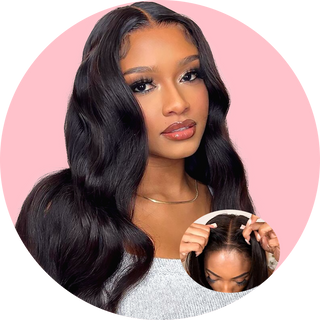


If your extensions look smooth when you leave home but start puffing up or catching at the nape by lunchtime, pay attention to where it happens. Your ends may be rubbing against your coat while your leave-out is reacting to damp air.
A wet-snow commute in New York calls for a different routine than a windy walk in Chicago or a day moving between freezing sidewalks and heated rooms in Toronto or Montréal. Think about what your hair encounters between wash days.
At CLJhair, our first choice for frequent winter wear is cuticle-aligned raw human hair in a texture that blends with minimal heat. Then we choose the installation method around how often you wear extensions, how you cover your hair, and how much leave-out you want.
Wet snow can melt into the hair, especially around your part, shoulders, and ends. Moisture changes the way hair fibers sit, so a smooth finish can turn fluffy and a stretched texture can draw up. Your natural leave-out may change shape faster than the extensions.
On dry, windy days, static and friction can be more noticeable. Wool scarves and high coat collars repeatedly rub the same section at the nape. Longer extensions catch there more easily, particularly if the ends are already rough or tangled.
Cold weather can make a brittle feel more noticeable when dry indoor air, existing fiber damage, and repeated brushing are part of the routine. Heavily processed hair can have a rougher surface, which makes tangles harder to release and puts more stress on the strands as you comb.
Check your hair before taking out the brush. If the crown has puffed but the ends still glide, you probably need a small styling refresh. If the same patch grabs at the collar, start by changing how the hair sits against your coat.
For a snowy commute, tuck a loose braid inside a smooth-lined hood or move the lengths away from the collar before heading out. Once indoors, check the ends and any covered attachment points for dampness.

Why cuticle-aligned raw hair is our winter pick
The cuticle is the outer layer of a hair strand. Its tiny overlapping scales naturally point from root to tip. When the strands in a bundle run in the same direction, their surfaces are less likely to catch against one another during everyday wear.
Cuticle condition matters too. An intact outer surface helps protect the fiber and provides a smoother starting point for detangling. Hair that already feels rough after washing can become harder to manage when a wet commute is followed by hours of collar friction.
The winter advantage of CLJhair cuticle-aligned raw hair is the combination of consistent strand direction and a well-preserved cuticle. That helps the lengths glide past one another as you separate them, especially when you work through a small nape tangle at the end of the day.
For moisture care, start with a lightweight rinse-out conditioner through the mid-lengths and ends. Well-preserved cuticles give you a smoother surface to condition, and the amount of product you need depends on the texture, the finish you want, and how the extensions are attached.
Expect human hair to respond to damp air and direct snowfall. Even a smooth bundle can swell or frizz when it gets wet. Judge winter performance by how easily the texture settles after drying and how much effort it takes to detangle.
When you compare bundles, feel the last few inches as well as the area near the weft. Ends that feel smooth and reasonably full are worth looking for, particularly if you wear your hair down most days.
If you're buying several bundles, compare the texture and color in daylight. Natural black raw hair can show slight shade differences between bundles. Matching them before installation makes the finished look more consistent.
For a sample order, wash and air-dry one bundle, then check how the ends feel and how much the wave or curl changes. This gives you a better idea of the everyday finish you’ll be working with at home or in the salon.

Choose a texture and install that fit your routine
Kinky straight is a practical starting point if you usually wear your natural hair stretched or blown out. Its soft fullness can help a small amount of leave-out blend without another pass of the flat iron every time the weather turns damp.
Kinky curly works well when the curl pattern is close to your own and you want to wear your hair curly through winter. Compare the textures after drying and allow for shrinkage when you pick a length, especially around your face.
Body wave gives you a softer finish if you like loose movement. It can be easier to refresh a bend with a loose braid overnight than to maintain a bone-straight finish during a stretch of wet weather.
Silky straight can still fit your routine if you wear it mostly indoors or can keep your natural hair tucked away. If your leave-out reverts quickly, a closure sew-in lets you wear the straight finish with less daily blending.
Clip-ins suit occasional wear and make it easy to remove and dry the pieces after an outing. They also give you flexibility when switching between a low bun for commuting and a fuller style for dinner.
A professionally fitted sew-in is a practical option for regular wear. If you use a closure to keep your natural hair tucked away, take the time to dry the hair underneath after washing and check the base after getting caught in snow.
If you prefer tape-ins, follow your stylist’s product and washing instructions around the bonds. Positioning matters if you often wear tight hats or pull your hair into a low ponytail, so bring your usual winter hat to your consultation.
Length changes the maintenance, too. Mid-back hair spends more time against a coat than a shoulder-length cut. If you want extra length, plan a simple commute style that holds the ends away from the collar.

Reset your extensions after wet snow
First, check how far the water reached. If only the ends are damp, blot them with a soft towel. If the hair feels wet close to the scalp, open up the sections so you can check and dry the attachment areas as well.
Take out removable clip-ins and dry them flat in a ventilated room before storing them. Give the pieces enough space to dry separately, especially if several wefts got wet together under a hat.
With a sew-in, dry the base as well as the visible hair. If you use a dryer, work on a low or cool setting as appropriate for your installation and follow your stylist’s directions around the attachment points.
If the ends feel icy or stiff, let them warm up indoors before you try to separate them. When you reach a small knot, support the section above it to limit pulling. Use your fingers to loosen it first, then work up from the ends with a wide-tooth comb if that suits your texture.
For curly extensions, detangle in sections during your normal wash routine with conditioner for slip. For straight or wavy extensions, a light conditioner on the lengths is often enough to make them easier to handle.
If you use a leave-in, start with a little through the ends and keep it away from attachment points unless your stylist recommends otherwise. A light application also makes it easier to tell when your hair needs a wash instead of another layer of product.
Before bed, make sure the hair and base are dry. A loose braid or low wrap and a satin bonnet or pillowcase can help limit overnight rubbing, especially at the nape.
The next morning, check the section that usually knots before refreshing the whole style. If it feels smooth, leave it alone and focus on any areas that actually need attention.

What to look for when buying winter extensions wholesale
If you're stocking a salon in New York, Chicago, or Canada, ask clients how they wear their hair on an ordinary winter day. Their answers can tell you whether to prioritize a quick blend under a hat, a low-maintenance sew-in, or removable pieces for occasional wear.
Build a small selection around the finishes your clients already request. Kinky straight for blown-out blends, body wave for softer movement, and kinky curly for curl matching give you a practical range to evaluate before expanding your inventory.
Ask your supplier which specific bundles are cuticle aligned and what processing the hair has undergone. Request the length range and bundle weight, and ask for photos of the texture after washing so you can compare what you’ll be installing.
Use a sample to check how the wet texture dries, whether the ends catch during gentle detangling, and how the hair feels around a smooth-lined collar. Record the texture and length so you can repeat the same comparison on a later shipment.
When comparing wholesale options, count the time it takes to prep, blend, and detangle a sample. That can affect what you charge for an install and what clients need to do between appointments.
Give clients a short aftercare note at checkout. Include how to dry their attachment area after wet snow, how to reduce collar friction, and where to apply conditioner for the method they wear.
For a winter sample order from CLJhair, share the textures, lengths, and installation methods you work with most. A stylist who does mostly closure sew-ins will need a different mix from a salon that focuses on occasional clip-in styling.
If you're shopping for yourself, start with your usual texture on a wash day and the coat you wear most. Choose cuticle-aligned raw extensions that blend with minimal restyling, then pick a length you can comfortably keep clear of the collar.