

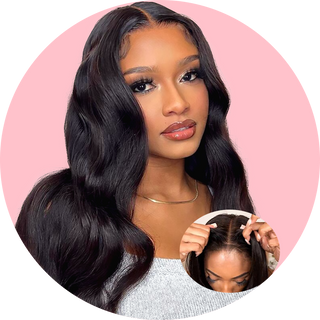


Winter outfits may be on point, but static-filled hair? Not so much. If your human hair wig starts floating around your face, clinging to your sweater, or developing dry, tangled ends the moment you step outside, you're not alone. Cold weather, dry indoor heating, and friction from winter clothing can all make your hair harder to manage.
The good news is that you don't have to give up your favorite straight wig, body wave, or long, flowing bundles just because temperatures drop. With the right moisture routine, gentle styling habits, and better-quality hair, you can keep your look smooth, soft, and full of movement throughout the colder months.
At CLJhair, we believe beautiful hair starts with understanding what your hair needs. This guide explains how to stop static in human hair wigs, how to winterize your hair extensions, why some inexpensive hair struggles more in cold weather, and how cuticle-aligned human hair can make winter maintenance easier.
1. Why Do Human Hair Wigs Get Static in Winter?

Static happens when an electrical charge builds up as materials rub against each other. During winter, the air is often drier outdoors and indoors, especially when heaters are running. Hair also rubs against scarves, wool coats, knit sweaters, and synthetic fabrics throughout the day. These conditions make static more noticeable.
Human hair wigs don't receive natural scalp oils the way your own hair does, so they need extra care to stay smooth. Your own hair receives sebum from the scalp, but a wig or set of extensions does not. Once the hair becomes dry, friction can increase, making strands more likely to separate, lift, and cling to clothing.
Here are three common reasons winter static becomes a problem:
· Low humidity: Dry air allows electrical charges to build up more easily.
· Friction from clothing: Scarves, hats, high collars, and sweaters rub against the hair.
· Dry or damaged strands: Rough hair surfaces create more friction and are harder to keep smooth.
Indoor heating can make the problem worse, even when you're not spending much time outside. You might notice your wig looks perfectly fine in the bathroom, only to develop flyaways after walking into a heated office or taking off a winter hat.
The key is to address both moisture and friction rather than repeatedly brushing the hair or piling on styling products.
2. How to Stop Static in Human Hair Wigs: 7 Practical Fixes
You don't need an elaborate salon routine to control static. A few simple changes can make a noticeable difference.
1. Apply a Lightweight Leave-In Conditioner
A lightweight leave-in conditioner formulated for human hair wigs or extensions is one of the easiest ways to improve manageability. It helps soften the hair surface and reduce friction between strands.
Start with a small amount, concentrating on the mid-lengths and ends. Avoid saturating the roots, lace, knots, or wig cap, as excessive product around the base can cause buildup and affect the wig's appearance.
For fine or straight hair, use less product. For long, thick, or textured hair, you may need slightly more, applied in sections.
2. Use a Small Amount of Hair Serum
A lightweight hair serum can help smooth the surface, reduce friction, and control flyaways. Rub a tiny amount between your palms, then gently glide your hands over the lengths.
If static appears while you're out, this can be a convenient touch-up. Resist the urge to apply several layers at once. Too much serum can make the hair look greasy or limp, especially on straight styles.
3. Detangle From the Ends Up
Brushing aggressively can create more friction and put unnecessary stress on the hair and wig construction.
Instead, divide the hair into manageable sections. Hold each section above the area you're detangling, then gently work through the ends before moving upward. Use a wide-tooth comb or a suitable extension brush, depending on the texture and construction.
For curly and body-wave wigs, detangle gently with your fingers or an appropriate wide-tooth comb, following the natural curl pattern. Avoid repeatedly brushing dry curls, which can disrupt definition and increase frizz.
4. Choose Smoother Winter Accessories
Your winter wardrobe can contribute to static just as much as your hair care routine.
Try these simple adjustments:
· Choose smooth-lined hats and scarves that glide over your hair.
· Avoid repeatedly pulling rough knitwear over your wig.
· Loosely gather long hair before putting on a coat.
· Use a satin-lined hat or a smooth satin scarf when practical.
· Remove hats gently instead of pulling them quickly across your hair.
You can still wear your favorite wool coat. The goal is to reduce repeated rubbing against the hair, especially around the nape and ends.
5. Add Moisture to Your Indoor Environment
If your hair becomes staticky every time you enter a heated room, the indoor environment may be contributing to the problem.
A humidifier can help maintain a more comfortable level of indoor humidity. Follow the manufacturer's cleaning instructions, and avoid excessive humidity that could encourage mold or condensation.
You can also keep your wig away from radiators, space heaters, and direct blasts of hot air. These heat sources can dry out the hair and make styling more difficult.
6. Use Heat Styling Carefully
A flat iron may temporarily smooth flyaways, but repeated high heat can gradually damage human hair and make it more vulnerable to dryness and breakage.
If you use hot tools:
· Apply a heat protectant suitable for human hair.
· Start with a moderate temperature appropriate for the hair's condition.
· Use fewer passes instead of repeatedly ironing the same section.
· Let the hair cool before putting on a hat or scarf.
For a quick refresh, try smoothing the lengths with your hands and a small amount of leave-in product before reaching for a hot tool.
7. Avoid Overwashing and Product Buildup
Washing can remove residue and restore a fresh feel, but frequent washing with harsh products may leave already-dry hair feeling rougher.
Wash your wig or extensions when they need it rather than following a rigid schedule. Use a gentle shampoo suitable for human hair, condition the lengths, rinse thoroughly, and avoid rubbing or twisting the hair.
At the same time, don't keep adding serum, oil, and leave-in conditioner without cleaning the hair. Heavy buildup can weigh strands down and interfere with a smooth finish.
3. How to Winterize Your Hair Extensions

If you wear sew-in extensions, tape-ins, clip-ins, or wigs made with human hair, winterizing means adjusting your care routine to protect the hair from dryness, friction, and unnecessary damage. The best approach depends on how your hair is installed and how often you wear it.
Before Winter: Prepare Your Hair
Start with a gentle wash and conditioning treatment. Remove any product buildup, detangle carefully, and let the hair dry completely before storing it or wearing it again.
If you're preparing extensions for a new installation, inspect the lengths and ends. Hair that already feels rough or has split ends may need extra conditioning or a trim, depending on the style and construction.
For sew-ins and other installed extensions, remember that your natural hair underneath needs attention, too. Keep your scalp clean, follow an appropriate moisturizing routine for your own hair, and avoid excessively tight installations. Extensions should not make it difficult to care for your scalp or natural hair.
During Winter: Focus on the Mid-Lengths and Ends
The ends are often the first area to look dry because they have experienced more wear, brushing, and styling. They are also exposed to friction from clothing.
Use a lightweight leave-in conditioner when needed, and add a small amount of serum if the ends still feel rough. For curly textures, work in sections to avoid pulling the curls apart.
If you wear long bundles or a long wig, check the nape regularly. This area often tangles first because the hair rubs against collars and scarves throughout the day.
After Wearing: Detangle and Store Properly
Before putting a wig away, gently detangle it and check for knots around the nape and ends. If the wig is damp, allow it to dry fully before storage.
Store wigs on a suitable stand or in a clean, breathable storage bag. For clip-in extensions, make sure the pieces are dry, detangled, and organized so they don't rub against one another.
Avoid leaving hairpieces in direct sunlight, next to a radiator, or in a damp bathroom. Stable storage conditions help keep the hair in better condition between wears.
Should You Deep Condition Your Wig in Winter?
A conditioning treatment can improve the softness and manageability of hair that feels dry or rough, but more product isn't always better. Follow the care instructions for your particular wig or extension type. For many human hair pieces, an occasional deep-conditioning treatment is useful, especially after frequent heat styling.
Apply conditioner mainly to the lengths and ends unless the product instructions say otherwise. Keep heavy treatments away from lace, knots, adhesive areas, and attachment points. Rinse thoroughly to avoid residue.
One important point: human hair wigs don't regenerate natural oils or repair themselves like growing hair. Conditioning can improve softness and manageability, but it cannot reverse severe chemical or heat damage.
4. Why Inexpensive Human Hair Can Become Dry and Tangled More Easily

Not every affordable wig is poor quality, and price alone cannot tell you how hair will perform. However, some lower-cost hair products rely on less careful sorting, heavier chemical processing, or temporary surface coatings to achieve a smooth feel at first.
These differences can become more obvious after repeated washing, heat styling, and exposure to dry winter conditions.
The Difference Between Temporary Smoothness and Hair Quality
Some hair products feel silky straight out of the package because the strands have a surface coating. Such coatings can temporarily improve shine and reduce friction. However, if the underlying hair has been heavily processed or has an irregular surface, that initial smoothness may not last through repeated washing.
Once the coating wears away, the hair may feel rougher, become more difficult to detangle, and lose some of its original shine.
This does not mean every inexpensive wig uses coatings or damaged hair. It means shoppers should look beyond the first impression and consider the hair's processing history, construction, and performance after washing.
How Cuticle Damage Affects Winter Hair
The cuticle is the outer protective layer of a human hair strand. It consists of overlapping, scale-like cells that help protect the inner structure of the hair.
When the cuticle is intact and lies relatively flat, the hair surface tends to be smoother. When the cuticle is damaged, lifted, or removed through processing, strands may experience more friction and become harder to keep manageable.
Winter's low humidity doesn't automatically destroy a wig's cuticle. Instead, dry conditions and repeated friction can make existing roughness and damage more noticeable. Heat styling, chemical treatments, and poor detangling habits can add to the problem.
Why Mixed Hair Directions Can Cause Tangling
Hair strands have a natural root-to-tip direction. When strands are collected and processed without maintaining consistent direction, their cuticle surfaces may rub against one another in ways that increase friction.
That can contribute to tangling and matting, especially at the nape, where hair repeatedly moves against itself and clothing.
This is why the sourcing and sorting process matters. A wig that feels soft on day one may not maintain that feel if its underlying hair quality is poor. Choosing well-sorted human hair and maintaining it properly can help you avoid unnecessary frustration.
For consumers, this means considering long-term manageability rather than simply choosing the lowest upfront price. For salon owners and wholesale buyers, consistent hair quality can also help reduce customer complaints and make maintenance advice easier to standardize.
5. Why CLJhair Cuticle-Aligned Hair Is a Smart Choice for Winter

When choosing a human hair wig or extensions for winter, the hair's underlying quality matters just as much as your daily routine. CLJhair focuses on cuticle-aligned human hair with intact cuticles, helping customers choose hair designed for natural movement, a smooth feel, and easier maintenance.
Here's why cuticle alignment deserves attention when you're shopping for your next wig or extension set.
1. Intact Cuticles Help Protect the Hair
The cuticle is a protective outer layer, not a moisturizer. It doesn't produce water or oil, but when the cuticle remains in good condition, it helps protect the inner hair structure and supports a smoother surface.
That matters in winter because smoother strands generally experience less friction when they move against one another. Hair that experiences less friction may be easier to detangle and less prone to the rough, tangled feeling associated with damaged surfaces.
Moisture retention requires a little clarification: Intact cuticles help protect the hair fiber and can support smoother strands and better manageability, but no human hair can hold moisture indefinitely. Proper conditioning, gentle washing, and protection from friction remain essential.
2. Aligned Strands Help Reduce Tangling
When hair strands run in the same root-to-tip direction, their cuticle surfaces are less likely to catch against one another than strands with inconsistent directions.
For you, that can mean easier detangling, smoother movement, and less time spent working through knots around the nape and ends.
For Black women who love long, straight styles, body wave, loose wave, or full bundles, manageable hair makes it easier to maintain a polished look without constantly reaching for a brush or flat iron.
Cuticle alignment doesn't make hair completely tangle-proof. Wind, clothing friction, improper storage, and neglected maintenance can still create knots. However, good hair structure gives you a better starting point.
3. Natural Shine Without Relying Only on Surface Coatings
Healthy-looking shine comes partly from the way light reflects off the hair's surface. When the cuticle is relatively smooth, light reflection tends to look more even.
This helps cuticle-aligned hair maintain a natural-looking finish, provided it is not excessively damaged by heat, chemicals, or rough handling.
Rather than relying solely on a temporary silky coating, the goal is to preserve the hair's underlying condition through thoughtful sourcing and proper care.
4. Better Manageability for Everyday Styling
Winter hairstyles often involve switching between straight looks, soft curls, ponytails, and protective styles. Hair that detangles easily can make those transitions simpler.
CLJhair's cuticle-aligned human hair is intended for customers who value natural movement and manageable texture. As with any human hair product, results depend on the hair's specific processing, texture, and condition, as well as how you maintain it.
For wholesale buyers, salons, and distributors, this is an important distinction: product quality is not just about how hair looks in a product photo. It also affects how customers experience the hair after installation, washing, and regular styling.
5. A Better Starting Point for Long-Term Hair Care
High-quality hair is not maintenance-free, and cuticle alignment does not guarantee a particular lifespan. However, choosing hair with intact, consistently aligned cuticles can support a more manageable care routine when combined with gentle handling.
For consumers, that means focusing on softness, smoothness, and consistent performance over time. For professional buyers, it means evaluating sourcing standards and the actual condition of the hair instead of relying on price or initial shine alone.
CLJhair's approach is to make hair quality part of the conversation, so customers can make informed choices and build a routine that works for their lifestyle.
6. Winter Hair Care Mistakes to Avoid

Even good-quality human hair can become difficult to manage if a few common mistakes become part of your routine.
· Applying too much oil: Heavy products may make the hair greasy without solving the underlying cause of static.
· Brushing too aggressively: Forceful brushing can increase friction, cause breakage, and stress the wig construction.
· Using excessive heat: Repeated high-temperature styling can damage the cuticle and leave the ends feeling rough.
· Ignoring the nape: Friction from coats, scarves, and collars can cause tangles that worsen if left unattended.
· Sleeping in a damp wig: Moisture and friction during storage or sleep can contribute to tangling. Follow the care instructions for your specific wig and installation.
· Assuming all human hair behaves the same: Processing, texture, cuticle condition, and construction all influence maintenance needs.
The biggest takeaway is simple: use products sparingly, reduce unnecessary friction, and deal with tangles before they become severe.
7. Frequently Asked Questions About Winter Wig and Extension Care
Why is my human hair wig static even though it is 100% human hair?
Human hair can develop static regardless of whether it is genuine human hair. Dry indoor air, friction from clothing, product buildup, and the hair's existing condition all influence how much static you experience. Try a lightweight leave-in conditioner, reduce friction from winter accessories, and use a small amount of serum when needed.
Can I use regular conditioner on a human hair wig?
A conditioner suitable for human hair can generally be used, but check the wig manufacturer's instructions. Apply it mainly to the lengths and ends, and keep heavy products away from lace, knots, and adhesive areas. Rinse thoroughly and avoid rough handling while the hair is wet.
Does oil stop static in human hair wigs?
A small amount of hair oil or serum may help smooth the hair surface and reduce friction. However, oil does not replace water-based conditioning, and using too much can leave the hair greasy or weighed down. Start with a small amount and adjust according to your hair's texture and density.
How often should I wash my wig in winter?
There is no single schedule that works for every wig. Wash according to product buildup, styling product use, wear frequency, and the manufacturer's recommendations. Use gentle products, condition the lengths, and allow the wig to dry fully before storage.
Why do my hair extensions tangle more at the nape?
The nape experiences repeated friction from clothing, scarves, and movement throughout the day. Longer hair and textured styles may also tangle if they are not detangled regularly. Gently separate knots from the ends upward and consider smoother clothing layers or satin-lined accessories.
Is cuticle-aligned hair better for winter?
Cuticle-aligned hair can be a good choice because consistent strand direction and intact cuticles support a smoother surface and reduce friction between strands. This may help with manageability during winter. However, hair quality, chemical processing, heat exposure, and maintenance all influence the final result.
Can cuticle-aligned hair still become dry?
Yes. Cuticle-aligned hair can still lose moisture, develop roughness, and become damaged through repeated heat styling, chemical processing, and friction. The cuticle helps protect the hair, but it does not eliminate the need for conditioning and careful maintenance.
How can wholesale buyers identify better-quality human hair?
Look beyond the initial shine and softness. Ask about the hair's source, cuticle condition, sorting and alignment process, chemical processing, and care requirements. When possible, evaluate samples after washing and conditioning, and check how the hair detangles and behaves after repeated use. Consistent product specifications and quality-control procedures are also important when sourcing for a salon or retail business.
Final Thoughts: Keep Your Hair Smooth All Winter
Winter static doesn't have to ruin your favorite hairstyle. A lightweight conditioning routine, gentle detangling, less friction from winter clothing, and careful heat styling can all help keep human hair wigs and extensions looking their best.
Just as importantly, remember that hair quality makes a difference. Hair with intact, aligned cuticles can offer a smoother surface and better manageability, while heavily processed or poorly sorted hair may become harder to maintain as wear and friction accumulate.
At CLJhair, we believe choosing the right hair and caring for it properly go hand in hand. Whether you're shopping for your next everyday wig, maintaining your favorite bundles, or sourcing hair for your salon or wholesale business, start with quality and build a routine that protects it.
Looking for human hair wigs that are easier to maintain in winter? Explore CLJhair's human hair wigs and extensions, and choose a texture that fits your style, lifestyle, and maintenance preferences.