

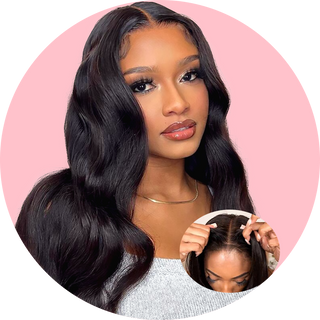


If you love the look of long, full, natural-looking hair but do not want to commit to a wig or sew-in, tape in hair extensions can be an attractive option. They are lightweight, lie relatively flat against the head, and can create noticeable length and volume without bulky attachment points.
But tape-ins are not automatically low-maintenance.
How well they work—and how long they last—depends heavily on the installation, your natural hair, your daily routine, and especially how you remove and reuse them.
For Black women, this becomes even more important because our natural hair can range from fine and relaxed to dense, coily, kinky, or highly textured. A method that works beautifully for one person may require a completely different maintenance routine for someone else.
At CLJhair, we believe the best way to choose extensions is to understand both the benefits and the limitations before installing them.
This guide breaks down the real pros and cons of tape-ins, how to care for them properly, how to remove them without unnecessary damage, and what you can do to extend their lifespan through multiple wears.
What Are Tape In Hair Extensions?

Tape in hair extensions are thin wefts of hair with adhesive strips attached near the top.
During installation, a small section of your natural hair is typically placed between two tape extension pieces, creating what is often called a “sandwich” application.
Because the attachment area is flat, tape-ins can sit close to the scalp and blend smoothly with natural hair.
This makes them especially appealing if you want:
· More length
· Extra fullness
· A flatter installation
· Natural movement
· Styling flexibility
· Extensions that can potentially be reused
Unlike temporary clip-ins that you remove every evening, tape-ins are generally worn continuously for several weeks before they need to be removed and repositioned.
That convenience is one of their biggest benefits—but it also means maintenance matters.
The Pros of Tape In Hair Extensions
Let’s start with what makes tape-ins so popular.
1. They Can Look Very Natural

One of the strongest advantages of tape in hair extensions is how flat the attachment points can be.
When correctly installed, the tape tabs lie close to the scalp rather than creating thick bumps underneath the hair.
That flat construction can make the extensions easier to blend, especially when your natural hair is straightened, relaxed, silk-pressed, or naturally compatible with the extension texture.
For anyone who wants extensions that move more like natural hair, this can be a major plus.
2. They Add Length Without Heavy Attachment Points
Tape-ins distribute hair across relatively wide, flat sections.
That can make them feel lighter than extension methods where a similar amount of hair is concentrated into smaller attachment points.
A good installation should not feel like the extensions are constantly pulling your scalp.
However, lightweight does not mean risk-free. Too much extension hair, incorrect placement, or installation on weak natural hair can still create tension.
3. Styling Can Be Flexible
With properly placed tape-ins, you can usually wear your hair in several different styles.
Depending on the installation, you may be able to create:
· Straight styles
· Loose waves
· Curls
· Low ponytails
· Half-up styles
· Soft side parts
· Middle parts
Good placement is important. Tape tabs installed too close to your hairline or too high around exposed areas can become visible when you style your hair up.
Discuss your most common hairstyles before installation so the placement works with your lifestyle.
4. Quality Hair Can Be Reused
One of the biggest reasons many people choose tape in hair extensions is reusability.
The hair itself does not necessarily need to be thrown away when the adhesive loses its grip.
If the extensions remain healthy, they can often be removed, cleaned, fitted with fresh tape, and reinstalled.
This is why hair quality and proper care matter so much.
With CLJhair human hair tape-ins, maintaining the actual hair—not just the adhesive—is an important part of getting better value from each set.
The Cons of Tape In Hair Extensions
Tape-ins have plenty of benefits, but they are not the perfect extension method for everybody.
1. Maintenance Cannot Be Ignored
Tape-ins remain attached to your natural hair day and night.
That means you cannot simply take them off when they become tangled or uncomfortable.
You need to brush carefully, wash properly, dry the attachment areas thoroughly, and pay attention to product placement.
If you prefer extensions you can remove whenever you want, tape-ins may feel restrictive compared with temporary methods.
2. Oil Can Affect the Adhesive
Moisture is important for healthy hair, especially textured hair, but heavy oils and oily products around tape attachment points can weaken the adhesive.
That creates a challenge for Black women who regularly use oils, leave-ins, creams, edge products, or scalp treatments.
You do not necessarily need to stop moisturizing your hair.
Instead, keep heavy products away from the tape tabs and concentrate your conditioning products mainly through the mid-lengths and ends.
3. Poor Installation Can Put Stress on Natural Hair
Tape-ins should never be installed on sections that are too small to safely support the extension.
If too much weight is attached to too little natural hair, breakage may occur.
Tape tabs also should not be installed directly onto a sensitive hairline or severely weakened areas.
If your natural hair is currently experiencing significant breakage or thinning, adding extensions without first addressing those issues may make the situation worse.
4. Removal Requires Patience
Removing tape-ins incorrectly is one of the easiest ways to damage natural hair.
You should never simply pull two adhesive tabs apart while they are still strongly bonded.
The goal is to release the adhesive before separating the extension from your natural hair.
That brings us to one of the most important parts of this guide.
How to Remove Tape In Hair Extensions Correctly

Proper removal can make the difference between healthy natural hair and unnecessary breakage.
It can also determine whether your extensions are reusable.
Step 1: Work in Small Sections
Do not rush through the entire head.
Separate the hair so you can clearly see each tape attachment.
Working one pair at a time allows you to control the removal process and reduce pulling.
Step 2: Apply an Appropriate Tape Extension Remover
Use a remover designed to loosen extension adhesive.
Apply it directly around the tape attachment rather than saturating your entire head.
Allow the remover enough time to break down the bond.
If the tape does not release easily, apply more remover and wait.
Do not compensate by pulling harder.
Step 3: Gently Separate the Tape Tabs
Once the adhesive has loosened, carefully separate the two tape pieces.
The tabs should release with minimal resistance.
If you feel strong pulling on your natural hair, stop and use additional remover.
Protecting your natural strands is more important than removing the extensions quickly.
Step 4: Remove Adhesive Residue Carefully
Some adhesive may remain on your natural hair after the extensions are removed.
Use remover and gentle finger detangling to break down the residue.
Avoid aggressive combing before the sticky buildup has softened.
Once the residue is mostly gone, gently detangle from the ends upward.
Step 5: Cleanse Your Natural Hair
After all tape-ins have been removed, wash your natural hair thoroughly.
Depending on how much residue is present, you may need more than one cleansing step.
Follow with appropriate conditioning so your hair is clean, soft, and prepared before another installation.
How to Maintain Tape In Hair Extensions
Maintenance begins the moment your extensions are installed.
A few consistent habits can dramatically improve how they look and how long they remain wearable.
Brush Gently Every Day
Use a brush suitable for extensions and support the hair near the root while brushing.
Start from the ends and gradually work upward.
Do not aggressively drag a brush across the tape attachments.
Daily gentle detangling prevents small knots from turning into serious matting.
Pay extra attention to the nape because friction from clothing, pillows, scarves, and sweat can create tangles there faster.
Keep Heavy Products Away From the Tape
Oils, serums, conditioners, and styling creams can be useful for keeping the extension hair soft.
But avoid applying them directly onto the adhesive area.
Instead, use a small amount from the mid-lengths downward.
With quality human hair extensions, more product does not always mean healthier-looking hair. Too much buildup can make the hair feel heavy, greasy, and difficult to manage.
Wash Carefully
You can wash tape in hair extensions, but technique matters.
Avoid aggressively rubbing the attachment points together.
Keep the hair flowing mainly downward and massage the scalp carefully between the installed sections.
When applying conditioner, focus on the mid-lengths and ends.
Rinse thoroughly.
Product left inside the hair can cause buildup and reduce movement.
Dry the Roots Completely
Do not leave the tape attachment area wet for long periods.
After washing, gently remove excess water and make sure the roots and tape tabs dry properly.
The lengths can be air-dried when appropriate, but the attachment areas should not remain damp all day or overnight.
And yes, going to bed with wet tape-ins is a bad idea.
Moist hair is more vulnerable to tangling, and repeated nighttime friction can quickly shorten the lifespan of your extensions.
How to Sleep With Tape In Hair Extensions

Your nighttime routine is one of the easiest ways to extend the life of tape-ins.
Before bed, gently detangle the hair.
Then place it into a loose braid or low ponytail to prevent excessive movement while you sleep.
A satin or silk bonnet, scarf, or pillowcase can also reduce friction.
The goal is simple: stop the hair from rubbing, tangling, and twisting for six to eight hours every night.
That small habit can make a surprisingly large difference over time.
How Long Do Tape In Hair Extensions Last?
There are actually two different lifespans to think about.
The first is the installation lifespan.
As your natural hair grows, the tape attachment moves farther away from the scalp. Eventually, the extensions need to be removed and repositioned.
Many wearers schedule maintenance somewhere around several weeks after installation, but there is no single perfect timeline for everyone.
Hair growth rate, shedding, washing frequency, exercise, styling habits, and adhesive performance can all affect how quickly repositioning becomes necessary.
The second is the lifespan of the extension hair itself.
Good-quality human hair may be reusable across multiple installations if it is properly maintained.
Poor maintenance, however, can shorten that lifespan dramatically.
Excessive heat, rough brushing, chemical processing, sleeping with wet hair, and heavy product buildup all take a toll.
So when someone asks, “How long do tape in hair extensions last?” the more accurate answer is: the adhesive installation and the extension hair have different lifespans.
Can Tape In Hair Extensions Be Reused?
Yes, tape in hair extensions can potentially be reused if the hair remains in good condition.
Once the extensions are removed, the old adhesive needs to be cleaned from the tape area.
The extensions should then be washed or cleaned as appropriate, dried completely, and inspected.
Fresh replacement tape can be applied before reinstalling them.
But not every set should automatically be reused.
Before reinstalling, look at:
· Overall softness
· Shedding
· Tangling
· Dryness
· Condition of the attachment area
· Thickness through the ends
If the hair has become extremely dry, thin, tangled, or damaged, reinstallation may not be worth it.
How to Extend the Lifespan of Your Tape Ins
If you want to get more wear from your extensions, focus on reducing unnecessary damage.
Use Less Heat
Human hair extensions can usually be heat styled, but repeated high-temperature styling gradually removes moisture from the hair.
Use heat only when necessary and avoid repeatedly passing hot tools over the same section.
Protect the Hair at Night
Detangle before sleeping and secure the hair loosely.
This helps prevent friction-related matting.
Avoid Product Overload
You do not need five different heavy oils to maintain healthy-looking extensions.
Use enough product to support softness and manageability without creating buildup.
Be Gentle When Detangling

Never start brushing aggressively from the root downward.
Work gradually from the ends upward while supporting the attachment area.
Keep Up With Repositioning
Do not try to stretch one installation indefinitely.
When significant new growth appears, the extensions can become more difficult to manage and may place additional stress on your natural hair.
Timely removal and repositioning can help protect both the extensions and your own strands.
Choose Quality Human Hair

Maintenance can only do so much if the extension hair starts with poor quality.
Hair that tangles excessively, sheds heavily, or becomes extremely dry after a few washes will be difficult to reuse regardless of your routine.
Choosing quality human hair tape-ins from CLJhair gives you a stronger foundation for repeated wear and styling.
Are Tape In Hair Extensions Good for Black Hair?
They can be—but the answer depends on your individual hair.
Black hair is incredibly diverse.
Someone with relaxed or naturally straight hair may have a completely different experience from someone with fine 4C hair.
Consider:
· Your natural hair density
· Strand strength
· Current breakage
· Texture
· Styling habits
· Product routine
· How often you wash your hair
· Whether you regularly wear your hair straight
Texture matching also matters.
If your natural leave-out needs constant high heat to match your extensions, the installation may create more maintenance than expected.
The best extension method is not simply the one that looks best on installation day. It is the one you can realistically maintain while protecting your natural hair underneath.
Tape Ins vs. Other Extension Methods
Tape-ins make sense when your priorities are a flat installation, natural movement, length, and the possibility of reuse.
But they may not be ideal if you want something you can remove every evening or if your hair and scalp need frequent access for intensive treatments.
Think about your lifestyle.
If you exercise heavily, wash your hair very frequently, regularly use scalp oils, or change hairstyles every few days, tape-ins may require more adjustment.
If you prefer a semi-permanent style and are comfortable maintaining it consistently, they can be a beautiful option.
There is no universally “best” extension method.
The right choice is the one that fits your hair condition, routine, and styling goals.
Frequently Asked Questions About Tape In Hair Extensions
Do Tape In Hair Extensions Damage Your Hair?
They should not automatically damage healthy hair, but incorrect installation, excessive tension, poor maintenance, and aggressive removal can cause breakage.
Proper technique matters from installation to removal.
Can You Wash Your Hair With Tape Ins?
Yes. Wash gently, avoid excessive rubbing at the attachment points, keep conditioner and oily products away from the tape, and dry the roots thoroughly afterward.
Can You Reuse Tape In Hair Extensions?
Yes, quality human hair tape-ins can often be reused after proper removal, cleaning, retaping, and inspection.
Can You Use Heat on Tape In Hair Extensions?
Human hair tape-ins can generally be styled with heat, but excessive heat can shorten their lifespan. Avoid applying hot tools directly to the adhesive tabs.
Why Are My Tape Ins Slipping?
Common causes include oily roots, heavy products around the attachment, incorrect installation, insufficient bonding, or putting too much stress on the extensions.
Should I Remove Tape Ins Myself?
Professional removal is often the safest choice, particularly if you are unfamiliar with adhesive extensions. If removing them at home, use an appropriate remover and never force the tape apart.
Final Thoughts
Tape in hair extensions can give you length, fullness, movement, and a beautifully natural finish without the bulk associated with some traditional extension methods.
Their biggest advantages are their flat appearance, comfortable feel, styling versatility, and potential for reuse.
Their biggest disadvantages are equally important to understand: they require consistent maintenance, adhesive can be affected by oils and buildup, and poor installation or removal can stress natural hair.
If there is one thing to remember, it is this:
Never sacrifice your natural hair just to make an installation last longer.
Remove tape-ins when they need to be removed. Use enough adhesive remover. Detangle patiently. Keep your attachment areas clean. Protect the hair while sleeping. Limit unnecessary heat. And give your natural hair the same attention you give your extensions.
With quality CLJhair tape in hair extensions, careful installation, proper removal, and a consistent maintenance routine can help you enjoy softer, fuller-looking hair while getting more value from every set.