

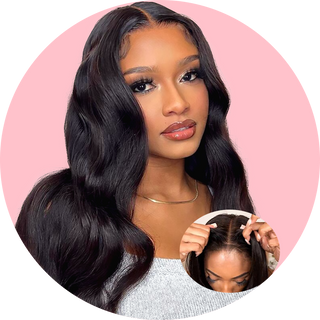


Hair extensions can give you length, fullness, color, and styling freedom without requiring a major change to your natural hair. But if you wear extensions regularly, there is one thing you should never forget: the beautiful hair everyone sees is only part of the story.
Your scalp matters just as much.
This becomes especially noticeable when the weather starts changing. As summer turns into fall and the air becomes cooler and drier, some women notice that their scalp feels tighter, drier, or itchier than usual. Add extensions, braids, sew-ins, styling products, sweat, and a busy schedule, and scalp care can easily get pushed to the side.
So, how to keep scalp healthy under hair extensions without giving up the styles you love?
The answer comes down to a few basics: start with a clean scalp, avoid unnecessary tension, keep buildup under control, moisturize thoughtfully, choose an installation that allows reasonable scalp access, and pay attention when your scalp tells you something is wrong.
At CLJhair, we believe great human hair extensions should complement your natural hair routine—not make healthy scalp care impossible.

Why Your Scalp Needs Extra Attention Under Hair Extensions
Extensions change the environment around your natural hair and scalp.
Depending on the installation method, parts of your natural hair may be braided, covered, attached to wefts, bonded to extension strands, or positioned underneath additional hair. That can make your usual cleansing routine more complicated.
Sweat, natural scalp oil, dead skin, styling products, and environmental debris can accumulate around the roots and attachment areas if the scalp is not cleaned properly.
At the same time, aggressively scratching or constantly adding heavy oils is not a good solution.
The goal is balance.
Your scalp should feel comfortable and reasonably clean, while the installation should remain secure and your natural hair should not be under excessive stress.
Why Fall Can Make Scalp Dryness and Itching More Noticeable
Fall is the season when many women start changing more than their wardrobe.
Indoor heating begins coming back on, humidity may drop, showers may become hotter, and hair routines often change along with the weather.
If your scalp already tends to feel dry, an extension installation can make the discomfort seem more noticeable simply because reaching and cleansing the scalp is less convenient.
That does not mean you should automatically pour more oil onto your scalp.
First ask yourself:
Is my scalp actually dry?
Is there product buildup?
Am I sweating underneath my extensions?
Is my installation too tight?
Did I introduce a new adhesive, styling product, shampoo, or extension material?
Those questions matter because itching can have different causes, and treating every itchy scalp as “dryness” can lead to even more buildup.
1. Start With a Clean Scalp Before Installation
Healthy extension care begins before the extensions go in.
Do not think of installation day as the beginning of your hair routine. Preparation matters.
Your natural hair and scalp should be properly cleansed so you are not trapping days of sweat, oil, dry shampoo, edge control, gel, or other styling residue underneath a new style.
After cleansing, condition your natural hair appropriately and make sure it is properly prepared and dried for the installation method your stylist will use.
Starting clean gives you a much better foundation.
For salon owners and stylists, this is also an important part of the consultation. Before installing extensions, pay attention to the condition of the client's scalp and natural hair instead of treating every client exactly the same.

2. Your Extensions Should Not Hurt
This one deserves to be said clearly:
Beauty should not require your scalp to hurt for days.
A fresh installation can feel different from your natural hair, but persistent pain, a strong pulling sensation, bumps, intense tenderness, or a headache should not simply be accepted as “the price of getting your hair done.”
Extensions add weight and can create tension at attachment points. The tighter and heavier the style, the more stress may be placed on your natural hair.
This matters especially around the hairline and temples.
Repeated tension from extensions, weaves, braids, and other tight hairstyles can contribute to traction alopecia. If you repeatedly notice broken hairs, thinning edges, tenderness, or irritation in the same areas, do not ignore it.
Tell your stylist when something feels too tight.
Protecting your edges is more important than making an installation look extra-flat for the first few days.
3. Clean Your Scalp While Wearing Extensions
One of the biggest misconceptions about protective styles is that once your natural hair is tucked away, you can leave it completely alone.
Protected does not mean neglected.
Your scalp still produces oil. You still sweat. Styling products still accumulate. Your skin still sheds.
When washing extensions, focus on getting cleanser to the scalp rather than aggressively piling and rubbing all the extension hair together.
Use your fingertips—not your nails—to gently work around accessible sections of the scalp. Rinse thoroughly because leftover shampoo can also contribute to discomfort.
How often you need to cleanse depends on your scalp, activity level, installation method, products, and lifestyle.
A woman who works out several times a week may need a different routine from someone with a relatively dry scalp who rarely sweats heavily.
Your scalp should help determine the schedule.
4. Dry the Roots Properly
Washing is only half of the job.
Your roots and attachment areas need to dry properly too.
Leaving sections underneath an extension installation damp for long periods is uncomfortable and can create an unpleasant scalp environment.
After washing, gently remove excess water rather than twisting or roughly rubbing the hair. Follow the drying instructions appropriate for your particular extension method.
If heat is required, avoid blasting your natural hair and scalp with unnecessarily high temperatures.
The objective is simple:
Clean scalp. Clean roots. Thorough drying. Minimal unnecessary stress.
This routine also helps keep premium human hair extensions looking better because the hair is being handled more carefully during wash day.

5. Do Not Drown an Itchy Scalp in Heavy Oil
We understand the instinct.
Your scalp itches, so you reach for oil.
Sometimes a small amount of a suitable lightweight scalp product may fit your routine. But repeatedly coating the scalp with heavy oils without understanding why it is itching can create another problem: buildup.
Oil, sweat, styling residue, and dead skin can accumulate together.
Instead of automatically adding more product every day, look at your scalp first.
If it appears dirty or coated, cleansing may be more helpful than another layer of oil.
When you do moisturize, use a controlled amount and focus on the scalp areas that actually need it. You do not need to soak the extension attachment points.
With professional extensions, always consider the maintenance requirements of the attachment method before applying oils close to bonds, tapes, or other installation points.
6. Keep Styling Products Away From the Scalp When Possible
Edge control, holding spray, mousse, dry shampoo, oils, serums, and other styling products all have their place.
The problem is layering them over and over without cleansing.
If you are trying to maintain a sleek style, it is easy to keep adding product every morning. By the end of the week, your scalp and roots may be carrying far more residue than you realize.
Use products intentionally.
Your extension hair may need conditioning and finishing products, but that does not mean every product belongs directly on your scalp.
The less unnecessary residue you create at the roots, the easier your scalp is to maintain.
7. Give Your Scalp Access to Air and Cleansing
When choosing an extension or protective-style setup, think beyond the finished hairstyle.
Ask:
Can I actually reach my scalp?
A good installation should not make basic scalp hygiene feel impossible.
For braided foundations and sew-in styles, clean sectioning and reasonable access between braids can make scalp cleansing easier. Extremely crowded, overly tight foundations may be harder to maintain comfortably.
This is also where construction matters for wigs and other removable hair systems.
A breathable cap structure, sensible density, and a design that does not feel unnecessarily heavy can make everyday wear more comfortable. Removable or glueless options can also make it easier for some wearers to access their natural hair and scalp regularly, depending on their needs and styling preferences.
At CLJhair, we encourage professional buyers to consider comfort and maintenance—not just how a wig or extension looks on installation day.
8. Pay Special Attention to Your Edges
Your edges are beautiful, but they are not designed to carry unlimited tension.
When installing extensions or wearing a sew-in, avoid asking the finest hairs around the hairline to support too much weight.
If you regularly wear extensions, watch for changes.
Are your edges becoming thinner?
Do you see short broken hairs?
Is the area tender after every installation?
Are there small bumps around the hairline?
Those signs deserve attention.
Changing your part, alternating styles, reducing weight, loosening the installation, or giving your natural hair a break may be more beneficial than trying to hide the problem under another installation.

9. Give Your Natural Hair a Break Between Styles
Hair extensions can be part of a healthy styling routine, but your natural hair should not disappear from your attention.
When one installation comes out, take the opportunity to assess what is happening underneath.
Clean your scalp thoroughly.
Look at your hairline.
Check for breakage.
Detangle gently.
Condition your natural hair.
Pay attention to any tenderness or unusual scalp changes before rushing straight into the next installation.
For women who love changing hairstyles, rotating between extension methods, wigs, and lower-tension natural styles can also reduce repeated stress on exactly the same areas.
The goal is not to stop wearing extensions.
The goal is to wear them smarter.
10. Choose High-Quality Human Hair That Is Easier to Maintain
Scalp health and extension quality are not exactly the same thing, but your overall experience is connected.
Poor-quality extension hair that tangles constantly may require more brushing, pulling, heavy silicone products, and daily manipulation.
That can make the entire style harder to maintain.
Good-quality human hair should move naturally, respond well to proper conditioning, and allow you to maintain the extension hair without constantly fighting tangles at the roots.
At CLJhair, we focus on human hair products designed for professional buyers and customers who care about both appearance and long-term wear.
For salon owners and wholesalers, quality is not just about what the hair looks like when you open the package.
It is about how manageable the hair remains after the client actually starts living in it.
A Simple Fall Scalp-Care Routine for Extension Wearers
You do not need a complicated 12-step routine.
You need consistency.
Before installation: Clean and condition your natural hair, examine your scalp, and avoid installing extensions over an already irritated scalp.
During installation: Speak up if the style feels painful or excessively tight.
During wear: Keep the scalp reasonably clean, minimize buildup, moisturize only as needed, and dry your roots properly after washing or heavy sweating.
At night: Protect the extension hair to reduce tangling and unnecessary manipulation.
Between installations: Cleanse, condition, inspect your scalp and edges, and give stressed areas time to recover.
That simple cycle can make a major difference in how comfortable your extensions feel throughout fall and beyond.
What Salon Owners and Hair Extension Buyers Should Know
If you sell extensions professionally, scalp health is not only your client's responsibility.
Education is part of good service.
Clients remember the stylist or supplier who helps them avoid problems—not just the one who helps them look good for Instagram on day one.
Salon owners should explain maintenance before clients leave the chair. Discuss cleansing, drying, tension, product buildup, sleeping habits, maintenance appointments, and when an installation should be removed.
Wholesale buyers should also consider these questions when evaluating a human hair supplier:
Is the hair unnecessarily heavy?
Is the weft construction bulky?
Can the product be maintained without excessive tangling?
Does the supplier offer different extension methods for different hair needs?
Is the hair quality consistent enough for repeat salon clients?
At CLJhair, we believe professional human hair products should support the relationship between the stylist and the client. When clients have a better wearing experience, they are more likely to trust their stylist, return for maintenance, and purchase quality hair again.
When an Itchy Scalp Needs More Than Hair Care
Not every scalp problem is an extension-maintenance problem.
Persistent itching, significant redness, sores, pustules, unusual scaling, pain, sudden thinning, or hair loss should not simply be covered with another hairstyle.
And if your hairline or another area continues thinning after repeated extension installations, take it seriously.
A qualified dermatologist can determine whether you are dealing with irritation, a scalp condition, traction-related hair loss, or another issue that requires treatment.
Hair extensions should enhance your style.
They should never become a reason to ignore what your scalp is telling you.

FAQ: How to Keep Scalp Healthy Under Hair Extensions
How often should I wash my scalp with hair extensions?
There is no single schedule that works for everyone. Your scalp type, workout routine, styling products, installation method, and level of buildup all matter. The important thing is not to leave the scalp unclean simply because extensions are installed. Follow the maintenance guidance for your specific extension method and stylist.
Why does my scalp itch after getting extensions?
Itching can have several possible causes, including tension, sweat, buildup, dryness, irritation from a product or material, or an underlying scalp condition. If itching is intense, persistent, painful, or accompanied by redness, bumps, sores, scaling, or hair loss, consult a dermatologist.
Should I oil my scalp every day under extensions?
Not necessarily. More oil does not automatically mean a healthier scalp. Excess product can contribute to buildup. Apply scalp products according to your actual needs rather than automatically coating the scalp every day.
Can extensions cause hair loss?
Extensions can contribute to hair loss when they repeatedly place excessive tension on the natural hair and follicles. Tight or heavy styles are particularly concerning. Low-tension installation, appropriate weight, professional application, scalp care, and breaks between stressful styles can help reduce unnecessary strain.
Are wigs better for scalp access than permanent extensions?
They can be for some wearers. Removable and glueless wig designs can allow easier access to the natural hair and scalp because the unit can be removed for cleansing and care. The best option depends on your lifestyle, natural hair, scalp condition, and styling goals.
Healthy Extensions Start With a Healthy Foundation
The best hair extension routine is not just about keeping the extensions shiny.
It is about taking care of everything underneath them.
When you keep your scalp clean, control buildup, avoid excessive tension, protect your edges, dry your roots properly, and choose an installation that fits your lifestyle, extensions become much easier to enjoy.
And when fall brings cooler, drier weather, do not wait until your scalp becomes uncomfortable to change your routine.
Pay attention early.
For salon owners, wig retailers, extension professionals, and wholesale buyers, this is an opportunity to offer customers something more valuable than hair alone: a better wearing experience.
At CLJhair, we believe premium human hair should look beautiful while giving professional stylists and customers the flexibility to build a thoughtful maintenance routine around it.
Because the foundation of a great hairstyle is not only the hair everyone can see.
It is the healthy scalp underneath it.