

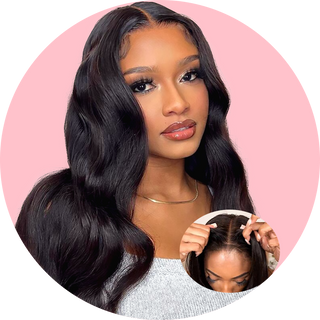


Human Hair Topper vs Wig: Understanding the Difference
If you've noticed your part getting wider, your crown looking thinner, or your hair losing some of its fullness over the years, you've probably wondered whether a hair topper or a wig would be the better choice.
Both can help you achieve a fuller, more natural-looking hairstyle. However, they are designed for different needs. A hair topper covers specific areas of thinning while blending with your existing hair. A wig provides more extensive coverage and can completely change your hairstyle without relying on your natural hair for the finished look.
For many women, especially those who want everyday comfort without wearing a full wig, A well-fitted human hair topper can be a comfortable, natural-looking option for everyday wear. Its lightweight construction, breathable base, and realistic appearance can make it a practical addition to a daily hair routine.
At CLJhair, we believe the best choice depends on your coverage needs, lifestyle, preferred hairstyle, and the condition of your natural hair. Let's explore the differences so you can make an informed decision.
1. What Is a Hair Topper?
A hair topper is a partial hairpiece designed to cover thinning areas, usually around the part, crown, or top of the head. It attaches to your existing hair or uses another suitable attachment method, allowing your natural hair to blend with the added hair.
Unlike a full wig, a topper does not automatically cover your entire scalp. Instead, it adds volume and coverage exactly where you need it.
Human hair toppers are particularly appealing because they move, feel, and style more like natural hair. You can often curl, straighten, or trim them to match your existing hairstyle, provided you follow appropriate care instructions.
Hair toppers come in different base sizes, lengths, densities, colors, and textures. Smaller bases may work well for a widening part, while larger bases can provide additional coverage across the crown.
For Black women with naturally straightened, relaxed, pressed, or textured hair, choosing a topper that matches the color, texture, and density of the surrounding hair is essential. A good match helps the added hair blend into your style instead of looking like a separate piece.

2. What Is a Wig?
A wig is a hairpiece designed to cover most or all of the scalp. Depending on its construction, it may have a standard cap, a lace front, a lace top, or a more extensive lace base.
Human hair wigs are popular because they offer styling versatility and can create a complete hairstyle without requiring much of your natural hair to remain visible.
For women experiencing extensive thinning, bald patches, or significant hair loss, a wig may provide more suitable coverage than a small topper. Wigs are also useful if you enjoy switching between different lengths, colors, and textures without changing your natural hair.
For example, you might wear a sleek straight wig during the week and choose a voluminous body wave style for a special occasion.
However, a full wig covers more of the scalp than a topper. Depending on the cap construction, fit, climate, and activity level, some wearers may prefer a lighter, more ventilated design.
The key is to compare the actual construction rather than assume every wig is heavy or every topper is comfortable. A well-designed wig can be breathable, and a poorly fitted topper can still feel uncomfortable.
3. Hair Topper vs Wig: The Main Differences
Here's a quick comparison of the features that matter most when shopping for a hair replacement solution.
|
Feature |
Human Hair Topper |
Human Hair Wig |
|
Coverage |
Specific thinning areas |
Most or all of the scalp |
|
Natural hair |
Usually blends with existing hair |
Can cover the natural hair completely |
|
Breathability |
Often excellent with a well-ventilated base |
Depends on cap design and materials |
|
Weight |
Often lighter because it uses less hair and a smaller base |
Varies with length, density, and cap construction |
|
Natural appearance |
Excellent when the topper blends properly |
Excellent with a suitable hairline, cap, and fit |
|
Styling |
Best when your natural hair can blend with it |
Greater freedom to change your overall look |
|
Attachment |
Clips, tape, adhesive, or other suitable systems |
Adjustable caps, grips, clips, tape, or adhesive |
|
Best suited for |
Partial thinning and crown coverage |
More extensive hair loss or complete style changes |
|
Maintenance |
Requires care for both the topper and blending hair |
Requires care for the wig and scalp underneath |
Neither option is automatically better. The right choice depends on how much coverage you need and how you want your hair to look and feel throughout the day.
4. Which Looks More Natural: A Hair Topper or a Wig?
Both can look natural when the construction, fit, color, and density are right.
A topper has one particular advantage: it can incorporate your own hair into the finished style. When the topper's color and texture match the surrounding hair, the transition can be difficult to notice.
For example, a woman with thinning around the crown may keep her natural hairline and sides while using a topper to restore fullness through the top. This can create a familiar look without covering the entire head.
A wig offers a different kind of realism. A well-made lace-front wig or natural-looking scalp design can create the appearance of hair growing from the scalp, even when little or no natural hair is visible.
For either option, pay attention to these details:
· Color matching: Compare undertones, root color, highlights, and any gray hair.
· Texture: Match the topper or wig to your natural hair's straightness, wave pattern, or curl pattern.
· Density: Choose fullness that looks appropriate for your age, face shape, and existing hairstyle.
· Parting area: A realistic scalp appearance helps prevent the base from standing out.
· Hairline and perimeter: The front edge and surrounding blend should look natural in everyday lighting.
Remember that more density is not always better. A topper that is too full can look disconnected from fine natural hair, while a wig with excessive density can create an unnatural silhouette.
5. Why Breathability Matters When Choosing a Hairpiece
Comfort is one of the most important considerations for women who wear a hairpiece regularly.
A breathable base allows air to circulate more freely through the construction. This can help reduce the stuffy feeling some people experience under a hairpiece, especially in warm weather or during everyday activities.
Many hair toppers use lace, monofilament, silk, or combination bases. Each construction has its own balance of scalp appearance, airflow, durability, and styling flexibility.
A lace base is generally lightweight and allows air to pass through the mesh. A monofilament base can provide a natural-looking part with a fine mesh construction. A silk base can create a realistic scalp appearance by concealing the hair knots beneath a top layer, although its airflow characteristics differ from those of an open lace base.
The important point is that base material alone does not determine comfort. Base size, cap coverage, ventilation, fit, and attachment also matter.
For women who want a lightweight everyday solution, a well-constructed topper can be appealing because it covers only the area that needs additional fullness.
However, if your thinning extends across most of the scalp, choosing a topper simply because it seems lighter may leave you without sufficient coverage. In that situation, a properly ventilated wig may be more practical.

6. Hair Topper vs Wig for Women Over 50
Hair often changes with age. You may notice less volume around your part, finer strands, reduced density at the crown, or a different texture than you had in your younger years.
These changes can make choosing a hairpiece more personal. You may want additional fullness without changing the hairstyle you've worn for years.
A hair topper can be a good fit when the main concern is a widening part or thinning crown and enough healthy hair remains to support the chosen attachment method.
It can preserve the familiar appearance of your own hair while adding volume where it is needed. For women who prefer a subtle change, this can feel more natural than switching immediately to a full wig.
A wig may be a better choice when thinning is widespread, the hairline is also affected, or the remaining hair cannot safely support a topper.
It may also suit women who prefer a ready-to-wear hairstyle with less blending between natural and added hair.
Age itself should not determine your decision. A woman in her 60s may prefer a wig, while another woman of the same age may feel more comfortable with a small topper. Your hair condition, personal preferences, and daily routine matter much more than your age.
If your hair loss is sudden, patchy, painful, or accompanied by scalp irritation, consult a qualified healthcare professional before selecting an attachment system. A hairpiece can provide cosmetic coverage, but it does not treat the underlying cause of hair loss.
7. Human Hair Topper vs Wig: Which Is Easier to Maintain?
Maintenance depends on the hair quality, base construction, attachment method, and how frequently you wear the piece.
A human hair topper needs gentle washing, conditioning, careful detangling, and appropriate storage. Because the hair is no longer receiving natural oils from the scalp in the same way as growing hair, the lengths and ends can become dry without proper care.
You also need to care for the natural hair underneath. If your topper uses clips, avoid repeatedly attaching them to the same fragile areas. Excessive tension can contribute to breakage and traction-related hair loss.
A human hair wig requires similar hair care, along with attention to its cap and perimeter. A wig worn daily may need more frequent cleaning than one worn occasionally, depending on perspiration and product buildup.
Here are some practical habits for both options:
· Use a gentle shampoo and a suitable conditioner.
· Detangle carefully, starting at the ends and working upward.
· Limit excessive heat styling and chemical processing.
· Allow the hairpiece to dry thoroughly before storage.
· Clean the base and attachment areas according to the manufacturer's instructions.
· Check your scalp regularly for redness, itching, tenderness, or other signs of irritation.
If you use adhesive, follow the product instructions for safe removal. Never pull a hairpiece off forcefully, and do not ignore persistent scalp discomfort.
A topper is not necessarily easier to maintain in every situation. It may use less hair, but blending it with your natural hair can require extra styling. A wig may take more washing and storage space, yet some wearers find it easier to put on and remove.
Choose the routine that fits your lifestyle rather than assuming one option always requires less effort.
8. How Much Does a Human Hair Topper Cost Compared With a Wig?
Price is another important difference, but the cheapest option is not always the best value.
Human hair toppers can range from relatively affordable ready-made pieces to premium, customized hairpieces costing several hundred or several thousand dollars. Human hair wigs also span a wide range, from entry-level options to premium and custom-made designs.
For general budgeting, online listings may place ready-made human hair toppers in the low hundreds of dollars, with premium or customized pieces reaching much higher prices. Human hair wigs can start in the low hundreds and increase substantially with length, density, lace construction, hair quality, and customization. These are broad market estimates, not fixed industry prices.
At CLJhair, the hair topper collection includes different silk-base sizes, from smaller coverage options to larger designs for more extensive crown thinning. Listed prices vary by model, length, and current promotion.
Several factors influence what you pay:
Hair quality: Human hair quality, processing, cuticle condition, and overall workmanship affect performance and longevity.
Base construction: Fine lace, silk tops, monofilament, and hybrid designs offer different combinations of realism, airflow, and durability.
Base size: A larger topper generally uses more material and hair, which can increase its cost.
Length and density: Longer or fuller pieces typically require more hair.
Customization: Special colors, gray blending, custom sizing, and professional fitting can add to the overall cost.
Maintenance: Consider the cost of suitable hair care products, professional adjustments, and any ongoing attachment services.
For salons and wholesale buyers, consistent specifications and reliable product quality are especially important. Comparing base dimensions, hair material, density, and construction gives you a more useful picture than comparing prices alone.

9. How to Choose the Right Hair Topper Size
Choosing the correct base size is one of the most important steps in buying a topper.
Start by measuring the area of thinning from front to back and from side to side. The base should cover the affected area adequately and allow its attachment points to connect to suitable hair or another appropriate support system.
A small topper may be sufficient for a narrow part, while a larger base may be needed for thinning that extends across the crown.
Do not select a base based on size alone. Consider the location of your thinning, the condition of the surrounding hair, the placement of clips, and how the piece will blend with your existing hairstyle.
If your natural hair is very fragile, avoid assuming that a larger or heavier topper can safely be supported by clips. You may need a different attachment method or a full wig.
Before ordering online, check the actual base measurements in inches or centimeters, the hair length, available colors, density, and return conditions.
10. Frequently Asked Questions About Human Hair Toppers vs Wigs
Can you wear a hair topper every day?
Yes, many women wear hair toppers daily. Comfort depends on the base, fit, attachment method, and condition of your natural hair. Check your scalp regularly, and avoid attachments that cause pulling or irritation.
Do hair toppers look natural on Black women?
Yes. A human hair topper can look very natural when its color, texture, density, and base are matched to the wearer's existing hair. The goal is a seamless blend, not simply adding as much volume as possible.
Are hair toppers more breathable than wigs?
They can be. Because many toppers cover a smaller area, they may feel lighter and allow more scalp exposure. However, breathability depends on the base construction and fit. Some lace wigs are also highly breathable.
Can a hair topper cover a bald spot?
A topper can cover a bald or thinning area if its base is large enough and the attachment system is appropriate. However, standard clips need suitable supporting hair. If there is little or no hair available for attachment, another system or a full wig may be more appropriate.
Can you sleep in a hair topper?
Removable clip-in toppers are generally best removed before sleeping. Sleeping in one can cause tangling, friction, or unnecessary tension on the natural hair. Follow the manufacturer's instructions for other attachment systems.
Can a human hair topper be dyed or straightened?
Many human hair toppers can be heat-styled and, in some cases, colored. However, the result depends on the hair's previous processing and condition. Heat and chemical treatments can cause damage, so test a small section or consult an experienced stylist before making significant changes.
How long does a human hair topper last?
There is no universal lifespan. Hair quality, base construction, frequency of wear, heat styling, coloring, and maintenance all influence longevity. Gentle care and appropriate storage can help extend the useful life of a topper.
Is a hair topper better than a wig for thinning hair?
A topper may be better when thinning is concentrated around the part or crown and enough suitable hair remains for secure attachment. A wig may be better when thinning is widespread or complete coverage is preferred.
Can I wear a topper if my hair is very thin?
Possibly, but the attachment method matters. Clips can put stress on fragile hair, especially if they repeatedly grip the same areas. Consider professional advice about a larger base, a suitable grip system, or a wig if your remaining hair cannot safely support the topper.
Are human hair toppers worth the investment?
They can be, particularly if you want a natural-looking solution for partial thinning and plan to wear it regularly. Evaluate the fit, base construction, hair quality, comfort, and expected maintenance rather than judging value by price alone.
11. Final Thoughts: Hair Topper or Wig?
When comparing a human hair topper vs a wig, the most important question is how much coverage you need and what feels comfortable for your everyday life.
A topper can be an excellent choice for women who want to restore volume at the crown, cover a widening part, and blend added hair with their natural hairstyle. Its smaller base can provide a lightweight feel, and the right construction can deliver a realistic scalp appearance without covering the entire head.
A wig is often the more practical option for extensive thinning, complete coverage, or women who want the freedom to change their hairstyle completely.
At CLJhair, we believe that choosing the right hairpiece should start with understanding your needs. Pay attention to base size, breathability, scalp appearance, hair quality, density, and attachment before making your decision.
With the right match, you can enjoy a fuller-looking hairstyle that feels comfortable, looks natural, and fits your routine. The goal is not simply to cover thinning hair. It is to find a solution that works for you, whether that means a discreet hair topper or a beautiful human hair wig.